The sticky post should be distinctly recognizable in some way in comparison to normal posts. You can style the .sticky class if you are using the post_class() function to generate your post classes, which is a best practice.
They should show at the very top of the blog index page, even though they could be several posts back chronologically.
They should still show up again in their chronologically correct postion in time, but without the sticky indicator.
If you have a plugin or widget that lists popular posts or comments, make sure that this sticky post is not always at the top of those lists unless it really is popular.
In the world of tools, the choice between battery-powered and air compressor-powered options has become a significant consideration for both professionals and DIY enthusiasts. Each type of tool has its advantages and disadvantages, and understanding these can help you choose the right tools for your specific needs.
Battery-Powered Tools
Battery-powered tools have gained immense popularity due to their convenience and ease of use. Here are some key benefits:
Pros
Portability: Battery-powered tools are typically lightweight and portable, allowing you to work in various locations without being tethered to a power source.
Ease of Use: These tools are straightforward to operate. Simply charge the battery and you’re ready to go, making them ideal for quick tasks and projects.
Reduced Noise: They generally operate more quietly than air compressor tools, making them suitable for use in residential areas or indoors without disturbing others.
No Cables: Without the need for air hoses or electrical cords, you have greater freedom of movement while working.
Cons
Battery Life: The effectiveness of battery-powered tools can be limited by battery life. Frequent recharging may be necessary, especially during extensive projects.
Power and Performance: In some cases, these tools may not provide the same power output as air compressor tools, particularly for heavy-duty applications.
Cost: Quality battery-powered tools can be expensive, and once the battery degrades, replacement can be costly.
Air Compressor Tools
Air compressor tools utilize compressed air to operate, making them a favorite for heavy-duty tasks. Here are the advantages:
Pros
Power: Air compressor tools typically deliver more substantial power, allowing for heavy-duty applications like spray painting or automotive work.
Durability: These tools often have a longer lifespan because they are less prone to wear than their battery-powered counterparts.
Continuous Use: As long as the air compressor has power and is connected to an air hose, you can use the tools continuously without needing to recharge.
Cons
Portability Issues: Air compressor tools are generally less portable, as they depend on an air compressor and often require long hoses that can limit your movement.
Noise: They can be quite loud when in operation, making them less suitable for residential areas or indoor use without proper soundproofing.
Setup Time: Setting up an air compressor tool can take more time compared to grabbing a battery-powered tool, which can be a drawback for quick jobs.
Conclusion
Choosing between battery-powered tools and air compressor tools largely depends on the specific tasks you intend to perform. If you prioritize portability and ease of use, battery-powered tools may be the way to go. However, if you require powerful, continuous performance for heavy-duty tasks, air compressor tools could be your best bet.
Ultimately, having a mix of both types can provide flexibility for a wide range of projects, ensuring you’re well-equipped no matter what the job entails.
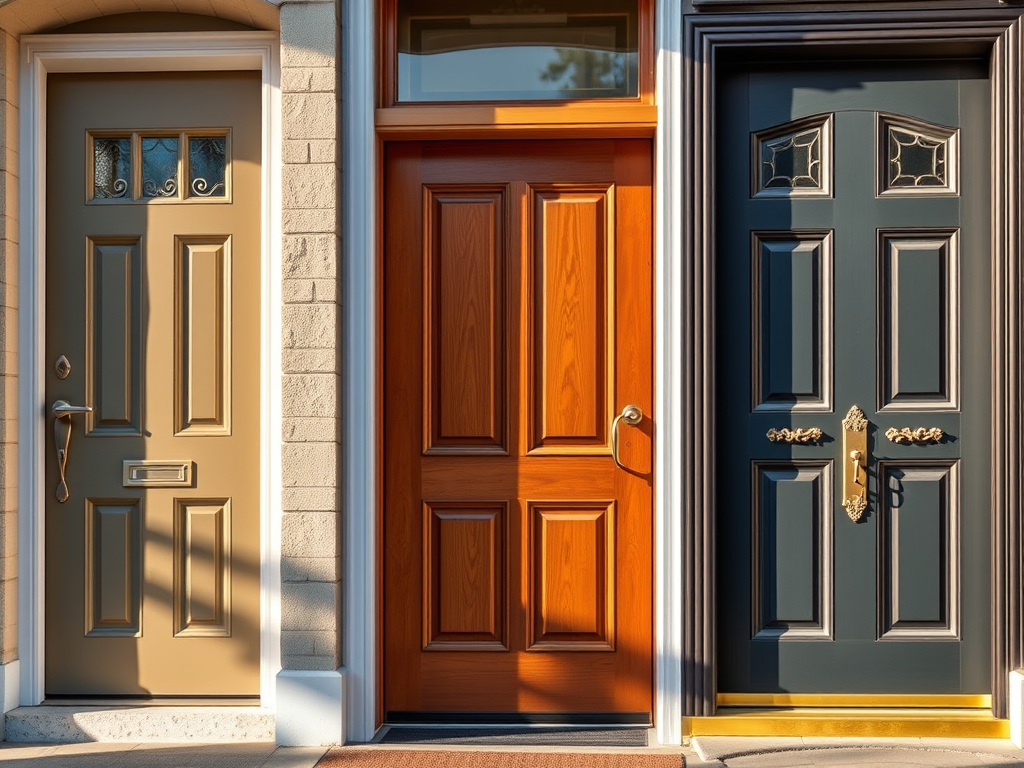
Choosing the right front door for your home is an important decision that can enhance your property’s curb appeal, security, and energy efficiency. Here are key factors to consider when selecting a front door:
1. Material
The material of your front door greatly influences its appearance, durability, and maintenance needs. Common materials include:
Wood: Offers a classic look and can be customized with stains and paints, but requires regular maintenance to prevent warping and weathering.
Fiberglass: Mimics the look of wood and provides excellent insulation, making it low maintenance and energy-efficient.
Steel: Highly durable and secure, steel doors are generally low maintenance but can be prone to rust if not properly coated.
2. Style
The style of your door should complement the architectural design of your home. Consider options such as:
Traditional: Classic panel designs add elegance to any home.
Modern: Sleek, minimalist designs feature clean lines and may incorporate glass elements.
Craftsman: Characterized by intricate details and often uses natural materials, creating a warm and inviting look.
3. Security Features
A front door plays a crucial role in your home’s security. Look for features such as:
Solid core construction: Offers better resistance against impacts.
Multi-point locking systems: Provides additional security by locking at multiple points along the frame.
Reinforced frames: Adds strength to prevent forced entry.
4. Energy Efficiency
An energy-efficient door can help maintain your home’s temperature and lower energy bills. Key features include:
Insulation: Look for doors with high insulation values (R-values) to reduce heat loss.
Weatherstripping: Ensures a snug fit that prevents drafts.
Low-E glass: If the door includes glass, low-emissivity glass can minimize heat transfer.
5. Color and Finish
The color and finish of your door can make a significant statement. Consider colors that align with your home’s exterior palette. Stains on wood doors can enhance their natural beauty while paint can provide a pop of color.
6. Glass Options
Incorporating glass elements can enhance the aesthetics of your door while allowing natural light into your entryway. Consider:
Full lite doors: Provide maximum visibility and light but may sacrifice privacy.
Decorative glass: Offers unique designs while still maintaining privacy.
Side lights: Vertical panels on either side of the door can create an inviting entrance.
7. Sizing
Ensure that your front door fits the existing frame perfectly. Standard door sizes are typically 36 inches wide and 80 inches tall, but custom sizing may be required for older homes.
8. Budget
Front doors can range from budget-friendly options to high-end custom designs. Determine your budget ahead of time to guide your selection without compromising on quality.
Conclusion
Selecting the right front door for your home involves careful consideration of material, style, security features, energy efficiency, and more. By evaluating these factors, you can choose a door that enhances your home’s beauty and functionality while ensuring safety and comfort.
Choosing the right front door for your home is an important decision that can enhance your property’s curb appeal, security, and energy efficiency. Here are key factors to consider when selecting a front door:
1. Material
The material of your front door greatly influences its appearance, durability, and maintenance needs. Common materials include:
Wood: Offers a classic look and can be customized with stains and paints, but requires regular maintenance to prevent warping and weathering.
Fiberglass: Mimics the look of wood and provides excellent insulation, making it low maintenance and energy-efficient.
Steel: Highly durable and secure, steel doors are generally low maintenance but can be prone to rust if not properly coated.
2. Style
The style of your door should complement the architectural design of your home. Consider options such as:
Traditional: Classic panel designs add elegance to any home.
Modern: Sleek, minimalist designs feature clean lines and may incorporate glass elements.
Craftsman: Characterized by intricate details and often uses natural materials, creating a warm and inviting look.
3. Security Features
A front door plays a crucial role in your home’s security. Look for features such as:
Solid core construction: Offers better resistance against impacts.
Multi-point locking systems: Provides additional security by locking at multiple points along the frame.
Reinforced frames: Adds strength to prevent forced entry.
4. Energy Efficiency
An energy-efficient door can help maintain your home’s temperature and lower energy bills. Key features include:
Insulation: Look for doors with high insulation values (R-values) to reduce heat loss.
Weatherstripping: Ensures a snug fit that prevents drafts.
Low-E glass: If the door includes glass, low-emissivity glass can minimize heat transfer.
5. Color and Finish
The color and finish of your door can make a significant statement. Consider colors that align with your home’s exterior palette. Stains on wood doors can enhance their natural beauty while paint can provide a pop of color.
6. Glass Options
Incorporating glass elements can enhance the aesthetics of your door while allowing natural light into your entryway. Consider:
Full lite doors: Provide maximum visibility and light but may sacrifice privacy.
Decorative glass: Offers unique designs while still maintaining privacy.
Side lights: Vertical panels on either side of the door can create an inviting entrance.
7. Sizing
Ensure that your front door fits the existing frame perfectly. Standard door sizes are typically 36 inches wide and 80 inches tall, but custom sizing may be required for older homes.
8. Budget
Front doors can range from budget-friendly options to high-end custom designs. Determine your budget ahead of time to guide your selection without compromising on quality.
Conclusion
Selecting the right front door for your home involves careful consideration of material, style, security features, energy efficiency, and more. By evaluating these factors, you can choose a door that enhances your home’s beauty and functionality while ensuring safety and comfort.